A study has found activities such as reading, writing or learning languages can reduce the risk of developing Alzheimer’s disease by nearly 40%.
Experts – whose research has been published in Neurology, the medical journal of the American Academy of Neurology – found people can stave off a decline in thinking skills and memory by keeping the brain active through lifelong learning.
While this study does not prove that lifelong learning decreases the risk of Alzheimer’s disease (AD), it shows an association.
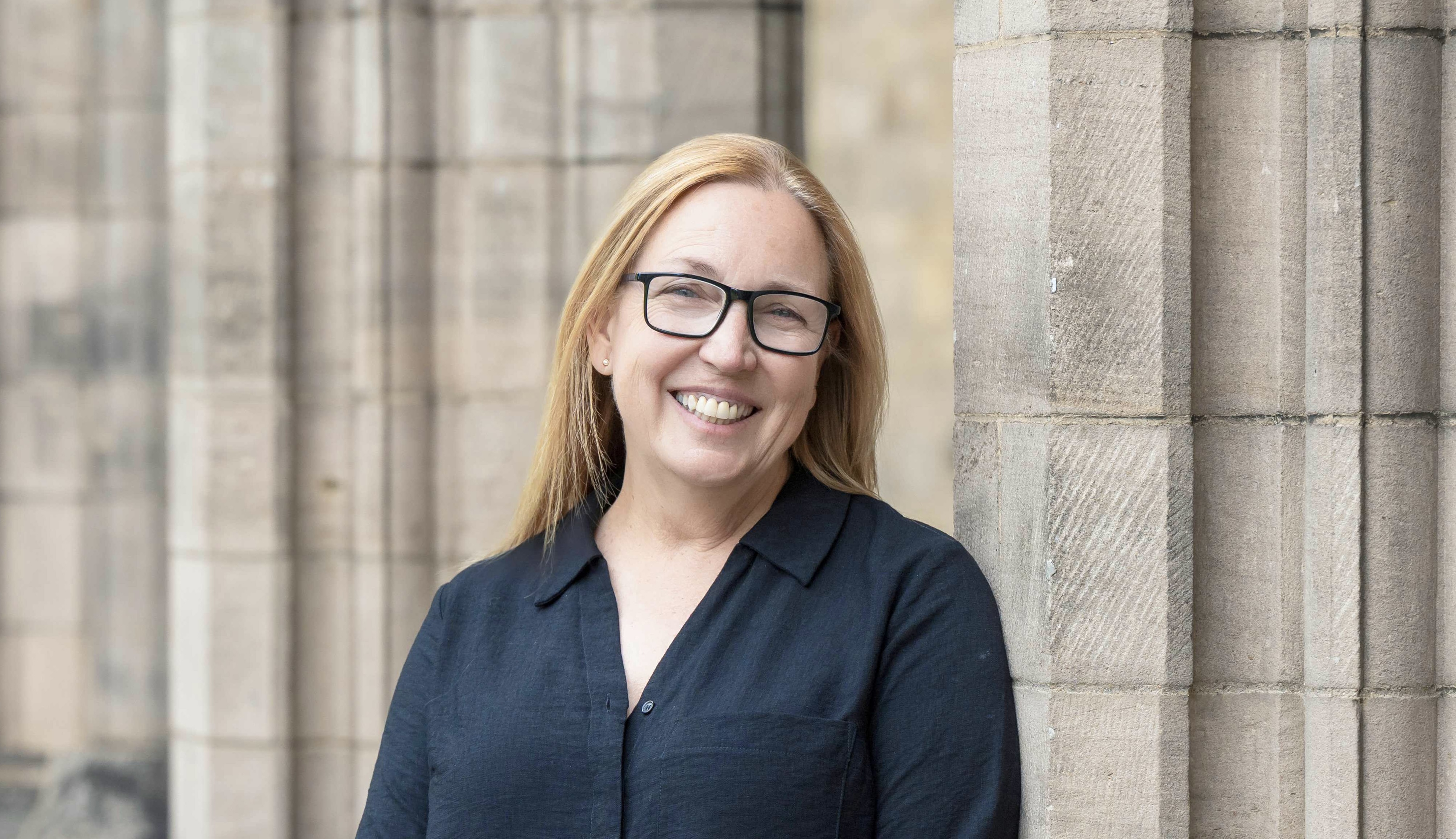
And TauRx Medical Director Dr Sonya Miller has urged people to take heed of the findings by keeping minds active from early age and throughout life.
She said: “This study should be welcomed given it reinforces the importance of brain, as well as physical, health. Developing dementia is not a normal or inevitable consequence of aging, and we can all take action to maintain cognitive abilities by protecting both our brains and bodies.
“We know the risk factors of dementia and also know that early life intervention through a good education with access to reading and learning has an impact in later life. It’s never too early, or indeed too late, to act.
“We can encourage those still within the education system to learn as much as they can while they are young. But those in mid and later life can also influence their chances of developing dementia by ensuring they take note of all other health issues, and continue the process of learning in any and every way, whether it is through picking a new language or other activity.”
Nearly 2,000 people with an average age of 80 at the beginning of the study were followed for around eight years, with researchers reporting that people in the top 10% of lifetime cognitive enrichment had a 38% lower risk of AD and a 36% lower risk of mild cognitive impairment compared to those in the bottom 10%.
Researchers calculated enrichment scores by asking each of the 1,939 participants questions around their childhood and whether they had access to learning tools such as encyclopaedias, globes or atlases and books.
In mid-life, participants were asked about their income level, access to reading materials, library membership and engagement in activities such as visiting museums.
Meanwhile, in later life, from around the age of 80, researchers assessed how frequently they read, wrote and played games, while also taking income into account.
During the study, 551 people developed AD and 719 developed mild cognitive impairment (MCI). Of those with the highest level of enrichment, 21% developed AD, while of those with the lowest level, 34% developed AD. People with the highest lifetime enrichment developed AD at an average age of 94, compared to age 88 for those with the lowest level.
For MCI, people with the highest lifetime enrichment developed MCI at an average age of 85, compared to age 78 for those with the lowest level. Further detail was gathered from people who died during the study and had post-mortem examinations.
Those with higher lifetime enrichment had better memory and thinking skills and slower decline prior to death, even when researchers accounted for early brain changes linked to AD.
Dr Miller added: “We have spoken for a long time about physical health, but we need to embrace the importance of brain health as well and realise the role it can play. It's all about investing in the health of our brains.”