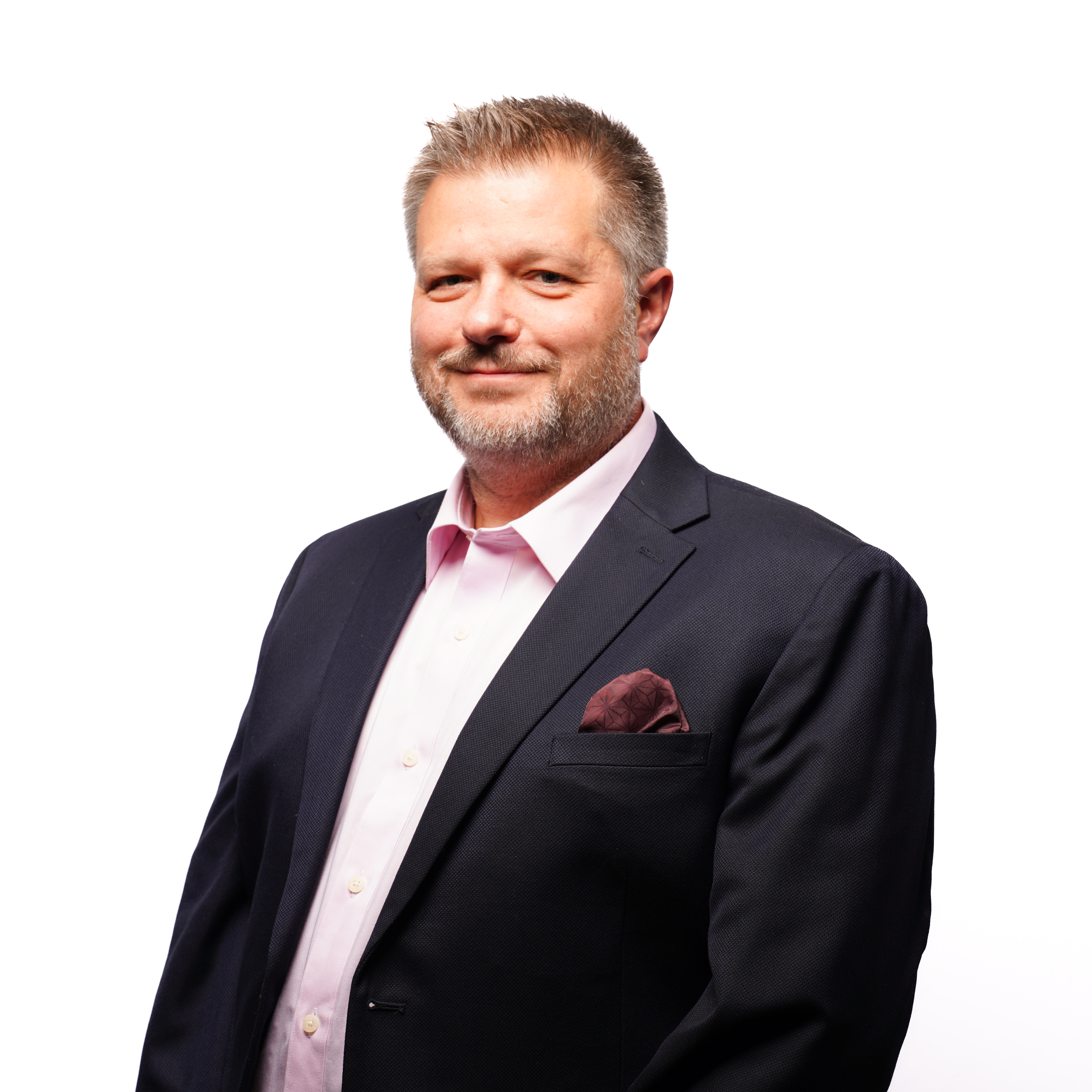
Can you describe yourself in three words?
Pragmatic, accountable, collaborative
What first sparked your interest in science and research?
I've always been interested in understanding how things work at a fundamental level, particularly in biology. Early on, it wasn't anything particularly strategic – I was simply curious about how the human body worked, how diseases developed and progressed, and how the body responded to them.
Science came naturally to me at school, so studying biochemistry felt like the right path, even if it wasn't a carefully planned decision at the time. When I chose to study at King's College London, I was also drawn to its scientific heritage. It's renowned for its world-leading research, including Rosalind Franklin’s pioneering work on the structure of DNA, which provided the experimental evidence that underpinned James Watson and Francis Crick’s model of the DNA double helix, as well as offering an excellent environment to study biochemistry.
What has kept me in the field throughout my career is the opportunity to connect science with real-world impact. Being able to contribute to the development of treatments that have the potential to make a meaningful difference to patients’ lives is what continues to motivate me today.
You've worked across research, drug development and project leadership throughout your career. How did your career path lead you to your role at TauRx?
I started my career in preclinical development, working across toxicology, pharmacology, pharmacokinetics and early proof-of-concept studies. That gave me a strong grounding in how compounds are evaluated before they enter the clinic.
From there, I moved into clinical development, initially working for Contract Research Organisations (CROs) before progressing into project leadership roles. Over time, my focus shifted towards managing increasingly complex programmes, including global clinical trials, working with multiple partners and navigating evolving regulatory requirements.
Throughout that time, I always knew I wanted to work for a smaller biotechnology company where I could make a greater impact. I never wanted to be a small cog in a very large machine – I wanted to work somewhere I could help shape programmes and feel that I was making a real difference.
I first became aware of TauRx while working at a CRO, although we never ended up working together at that point. The company stayed on my radar, and later a mentor encouraged me to consider joining the team, recognising that my experience across preclinical and clinical development, together with project leadership, would transfer well into the role.
When I joined TauRx in 2015 as a contractor, I was initially told I'd probably be here for around 18 months. More than 10 years later, I'm still here.
Over that time, both my role and the company have evolved significantly. I was originally brought in to strengthen oversight of our clinical programmes and external partners, and as TauRx has grown and matured, so has the scope of my responsibilities. Today, my role focuses on bringing together the scientific, operational and governance aspects of drug development to help deliver programmes from early development through to late-stage clinical development and beyond.
One of the biggest advantages of my previous experience has been understanding both sides of the relationship between pharmaceutical companies and CROs. That perspective helps build strong partnerships while ensuring projects remain on track, risks are managed effectively and expectations are clear for everyone involved.
Looking back, what have been some of the most valuable experiences in your career so far?
Leading complex global programmes where there is a high degree of uncertainty and pressure would be one.
Working across multiple countries, managing large-scale trials and navigating different regulatory environments teaches you very quickly how to prioritise, make decisions based on the information available at the time, and stay accountable for delivery through effective planning and risk management.
Going through regulatory inspections and ensuring audit readiness has also been invaluable. It sharpens your focus on quality and reinforces the importance of robust processes, clear documentation and always being prepared.
Throughout my career, one principle has remained constant: quality should always come first. I learned early on the importance of getting things right the first time, being open about challenges and addressing issues as soon as they arise.
You've had experience in a range of roles throughout the drug development process. How has that experience influenced the way you work in your current position?
I started in preclinical development before moving into clinical delivery, so I've seen the common failure points – whether that's unrealistic protocols, weak oversight models or gaps in governance. That experience allows me to focus on the areas that make the biggest difference: getting the design right, putting the right level of oversight in place and making sure issues are dealt with early rather than escalating later.
Working across different stages of drug development has also given me a broader understanding of how decisions made early in a programme can influence everything that follows. At TauRx, I've had the opportunity to see much more of the overall development pathway, from early development through to preparing for potential marketing authorisation, which has broadened that perspective even further.
One thing I've learned over the years is that there isn't a single 'right' way to develop a programme. Different approaches can all be successful, provided risks are understood, managed appropriately and everyone is working towards the same goal.
Tell us about your role as Head of Projects at TauRx and what this involves day to day?
At a high level, I'm responsible for ensuring our development programmes are delivered effectively across their full lifecycle. That includes oversight of global Phase I-IV clinical trials, vendor strategy, pharmacovigilance oversight and ensuring our programmes remain aligned with regulatory requirements.
It's a mix of strategic and operational work. I support the project teams, help resolve issues, ensure timelines and budgets remain on track, and maintain the governance needed to deliver complex programmes successfully.
An important aspect of the role for me is mentoring and developing the project teams. Building capability, supporting colleagues as they take on more responsibility and helping them make decisions with confidence is critical to delivering successful programmes.
Alongside project management, I'm also responsible for records management, ensuring the Trial Master File accurately documents every aspect of a clinical study and always remains inspection ready. More recently, my responsibilities have expanded to include Drug Safety and our Expanded Access Programme (EAP), where patient safety remains the highest priority throughout every stage of development.
You've overseen programmes spanning multiple regions around the world. What have you learned from working with international teams and partners?
Clarity and consistency are essential. When you are working globally, there are different regulations, expectations and processes to follow, so it's important that communication is straightforward, and everyone understands their role.
The most effective teams are those where expectations are clear and there is mutual respect for different perspectives. When those foundations are in place, global diversity becomes a real strength rather than a challenge.
What has been the main highlight of working at TauRx so far?
Leading the company’s first global Expanded Access Programme has been a key highlight. It’s a very different way of working compared to traditional clinical trials – balancing patient access with regulatory requirements, while also integrating real-world data into development programmes.
More broadly, it's been incredibly rewarding to work on complex global programmes where you can see the direct impact of good leadership on successful delivery.
What stands out most, though, is the culture at TauRx. There's a genuine belief across the company in what we're trying to achieve and a shared commitment to helping patients. Everyone understands the importance of the work we're doing and believes in the potential of the programme.
What are the top two or three priorities for your role in the year ahead?
One of my key priorities is maintaining delivery across our major development programmes while continuing to strengthen governance and oversight as the organisation evolves.
That includes ensuring our external partners continue to perform effectively, maintaining inspection readiness and making sure decisions remain aligned with our overall development strategy.
Alongside that, I'm focused on continuing to support and develop the project teams, ensuring they have the guidance, tools and confidence they need to deliver high-quality programmes while keeping patient safety and programme quality at the centre of everything we do.
What is the best professional advice you can give, or that you have been given?
Focus on what really matters and take ownership of outcomes.
In complex environments, it's easy to get drawn into the detail, but effective leadership is about maintaining clarity on priorities and making sure the right decisions are taken at the right time.
Transparency is also essential. If something isn't right, it's far better to raise it early so it can be addressed than allow it to become a much bigger problem later.
Can you tell us something about yourself that would be a surprise to most people?
Most people probably wouldn't expect that I'm a keen gardener.
Much of my work involves structured, highly regulated environments, so I really value having something different outside of work. Gardening gives me the opportunity to step back, reset and gain a different perspective.
I've found that taking time away from the day-to-day challenges of work often helps me come back with a much clearer view of what really needs to be done.