The headlines today that some amyloid-targeting drugs “make no meaningful difference to patients” will certainly be a cause for concern for many.
However, it does not mean hope is lost for the 982,000 people living with dementia in the UK.
The claims of researchers that effects of the drugs on patients with early-stage Alzheimer’s disease (AD) and dementia were “either absent or consistently small”, have been challenged by charities, who said experts have attempted to “paint an entire class of drugs with the same brush” by combining failed drug trials with more recent successful trials.
But regardless of views on the Cochrane Review, it is important to remember there are two hallmark pathologies in Alzheimer’s disease: amyloid and tau.
Research in AD is not purely focused on amyloid, a protein that forms plaques around brain cells. There is growing interest in tau protein, which forms tangles within brain cells.
Think of these proteins as the drivers of function. Both are necessary for the brain to work, but have different mechanisms of action, in much the way different fuels such as petrol and diesel help drive our vehicles.
It is the tau protein that has been the focus of TauRx research for more than 20 years.
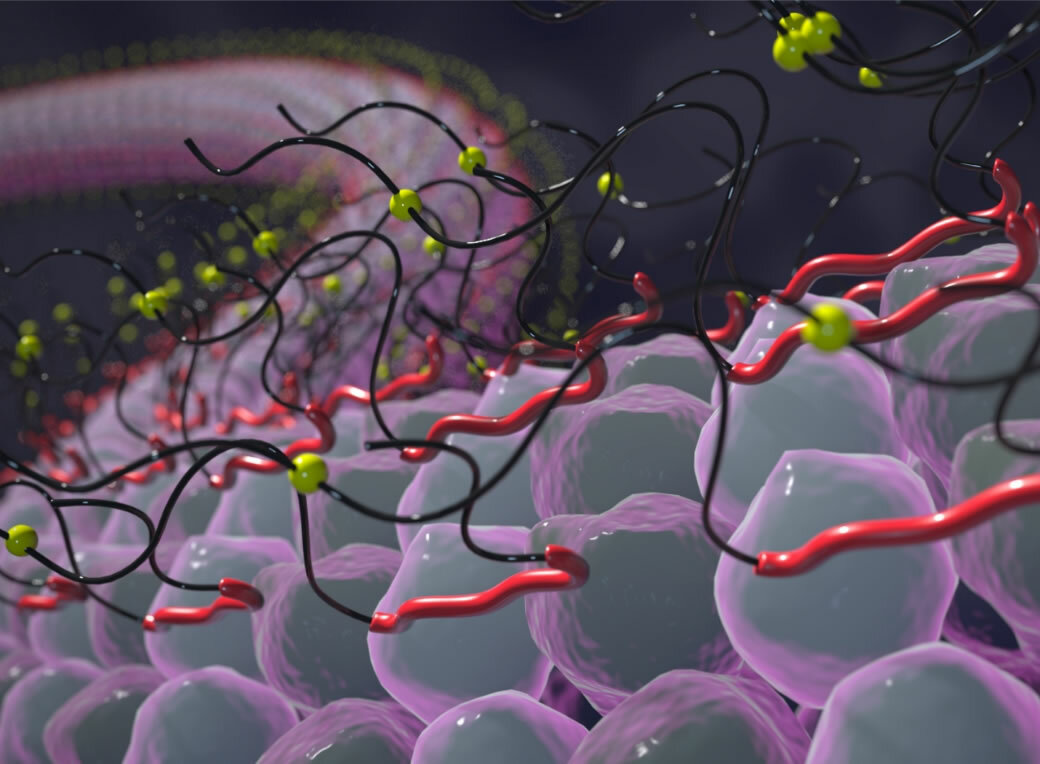
Tau protein is critical for the normal function of brain cells and has a very important role in stabilising the structure of the cell. It also plays a role in energy and transport and how neurons talk to one another. As we age, the rate at which our brain cells clear cellular waste products slows. These waste products can capture normal free tau proteins, causing them to misfold and bind to the waste products, initiating a cascade response where more and more free tau proteins are attracted to them. The new large stack of tau proteins cannot currently be cleared by the cell.
At some point this process rapidly accelerates and these insoluble tau stacks pass between cells and clump to form tangles. A build-up of tangles causes neurons to swell and burst. Once the brain cell is gone, there is no repairing or regaining it.
Tau pathology begins decades before any symptoms of dementia are seen, and approximately 50% of over-45s may have some form of tau pathology in the brain. Given the prevalence of AD –one of the world's greatest unmet medical needs – tau is an important target for drug development. By targeting this process, it is hoped the damage caused to brain cells can be avoided.
And it is in this research where hope lives.
Analysis of how tau protein works, and how its build-up can be tackled, is an increasing area of focus for scientists. While amyloid has been the focus of researchers’ work for decades, the tau theory is one that is gathering momentum within pharmaceutical companies the world over.
It’s a bold approach, but boldness is what’s needed to tackle Alzheimer’s. It’s a disease that is not just a personal tragedy – it’s one of the greatest public health challenges of our time, with more than 57 million people worldwide living with dementia. The World Health Organization (WHO) estimated the global economic burden to be in excess of US$1.3 trillion annually as of 2019. This figure is projected to rise to $2.8tn by 2030.
Solving AD will never be the achievement of one company or one scientist. It requires global collaboration: regulators, clinicians, universities, caregivers, and – most importantly – patients and their families.
At TauRx, we are proud to be part of this worldwide effort, contributing our decades of tau research to a collective goal: to transform Alzheimer’s from a devastating disease into a manageable condition.
Science gives us the tools. Patients give us the purpose.
Dr Sonya Miller is Medical Director at TauRx Therapeutics Management, and is a qualified Consultant Anaesthetist with more than 25 years’ experience. She studied medicine at Sydney University in Australia and completed her fellowship training in Anaesthesia and Intensive Care, working as an anaesthetist from 1991 until 2017. She then moved to work in clinical research as a Principal Investigator in neurodegenration trials in London, focusing on Alzheimer’s disease.
She joined TauRx in 2018 with responsibility for patient safety in our global clinical trials. Her role as Medical Director incorporates Medical Affairs and responsibilities for relationships with external stakeholders and regulators. Dr Miller leads the information and education delivery resulting from TauRx’s research programmes.